



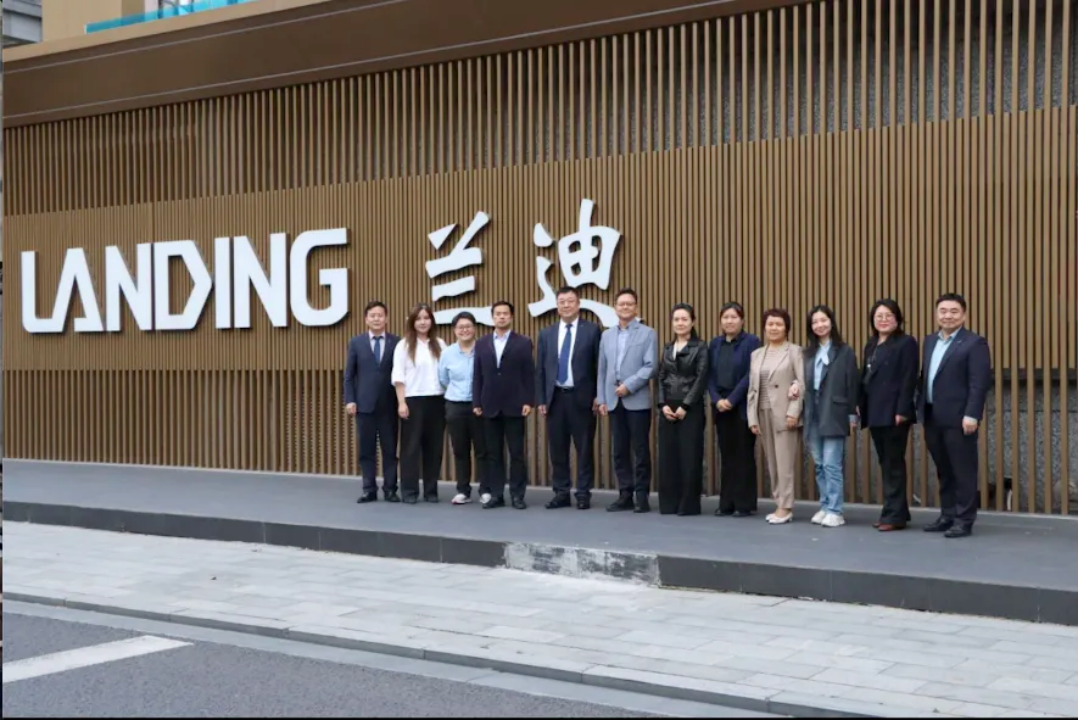
On April 15, 2026, the School of Law at Shanghai University of International Business and Economics (SUIBE) and Landing Law Offices held a dedicated symposium focused on the theme of "Cultivating Foreign-Related Rule of Law Talents." Both sides engaged in in-depth exchanges on cultivating mechanisms, curriculum systems, and practical training platforms for foreign-related legal professionals, reaching consensus on deepening collaborative talent education.
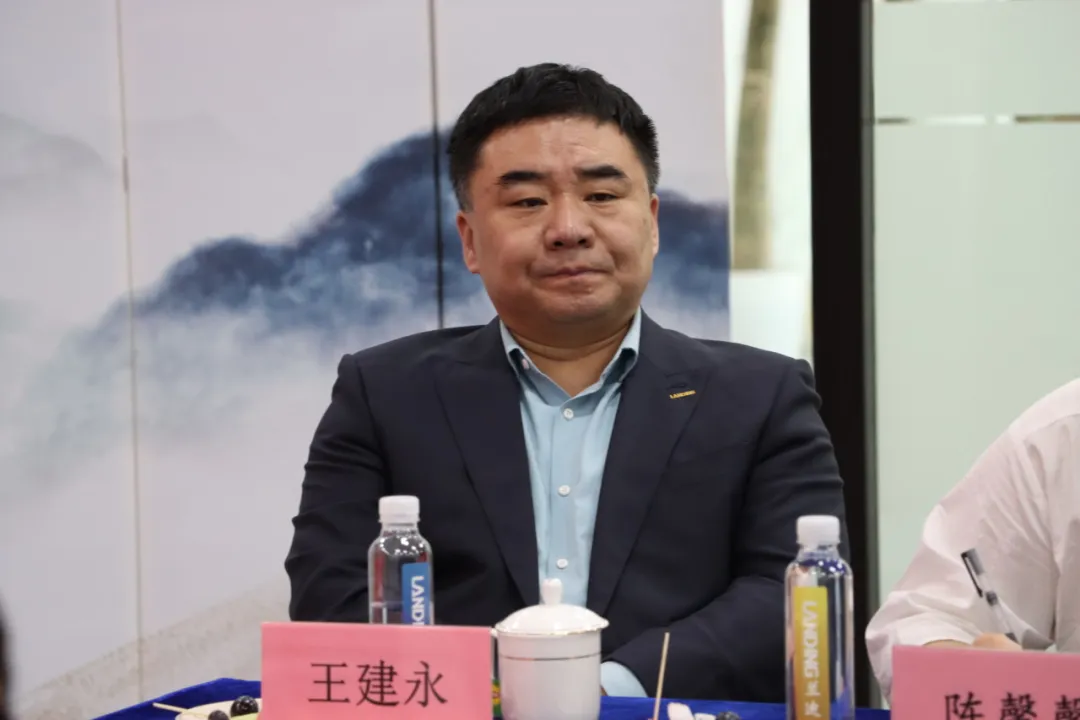
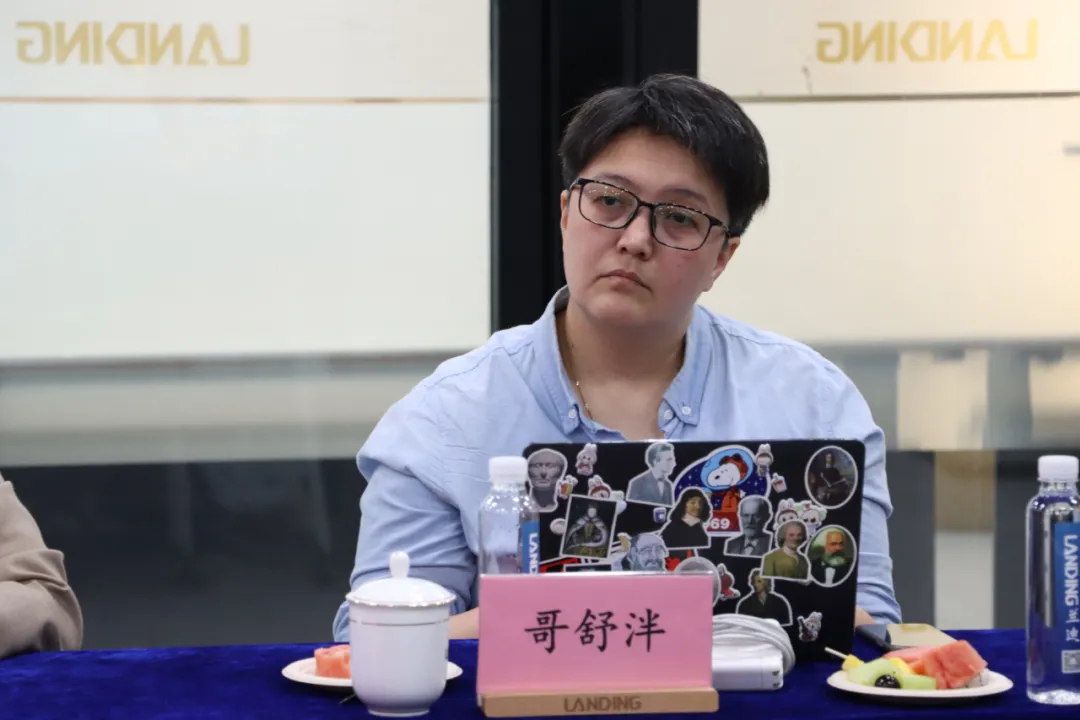
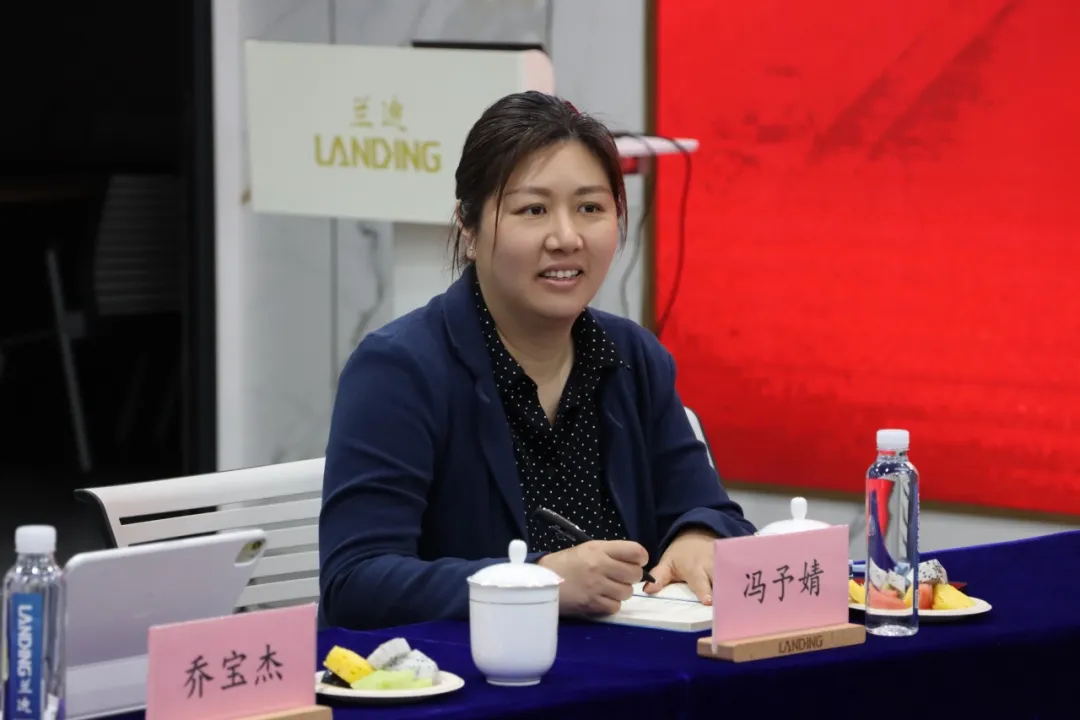
Attendees from the SUIBE Law School included Qiao Baojie, Dean of the Law School; Wang Cheng, Vice Dean; Zhang Ting, Head of the Department of Civil and Commercial Law; and Feng Yujing, Secretary-General of the Alumni Association. Representatives from Landing Law Offices included Wang Zhan, Secretary of the General Party Branch; Li Yueqing, Director of the International Business Department and Senior Partner; Yu Benjun and Wang Jianyong, Senior Partners; Chen Xinxin, Head of Landing (Vietnam) Law Offices; Qin Peijia, Head of Landing (Indonesia) Law Offices; and Ge Shupan, Senior Consultant of Landing (Uzbekistan) Law Offices.
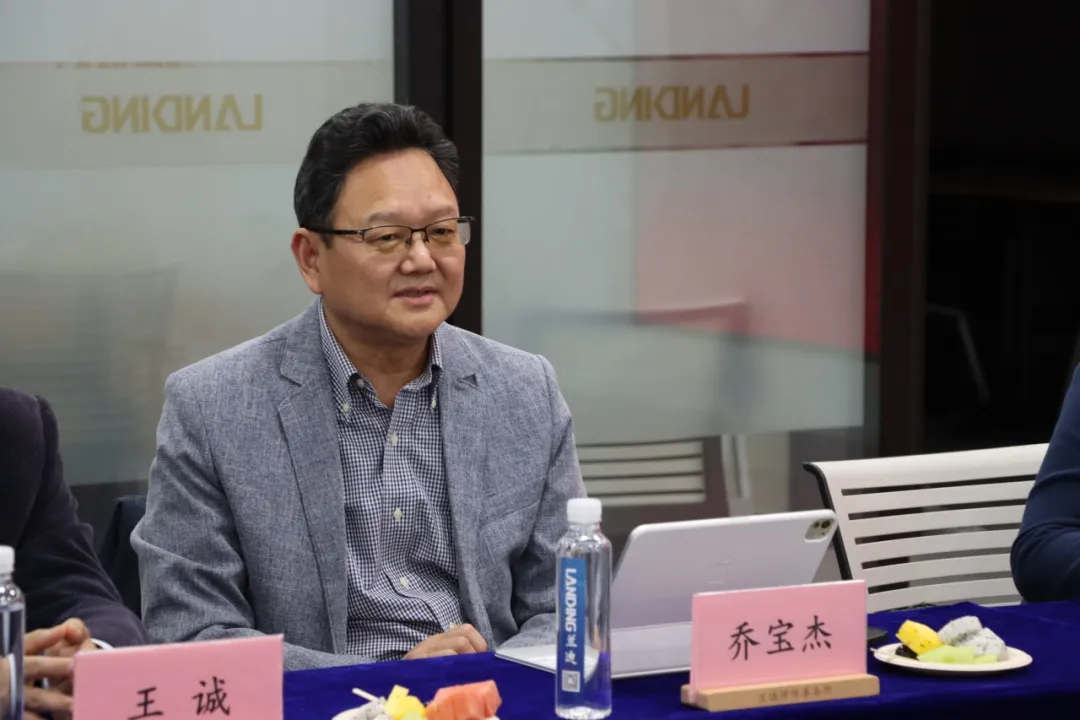
During the meeting, Dean Qiao Baojie introduced the law school's overall development in foreign-related legal education. He noted that since establishing the national innovation base for collaborative cultivation of foreign-related rule of law talents in 2013, the school has continually advanced a practice-oriented training model. He stressed that universities should proactively align with the needs of the legal industry to drive synergistic education between academia and practice. Having developed distinct advantages in international law and international economic law, the school looks forward to deepening cooperation with Landing in joint course development, reciprocal appointments of mentors, and experiential clinical teaching.
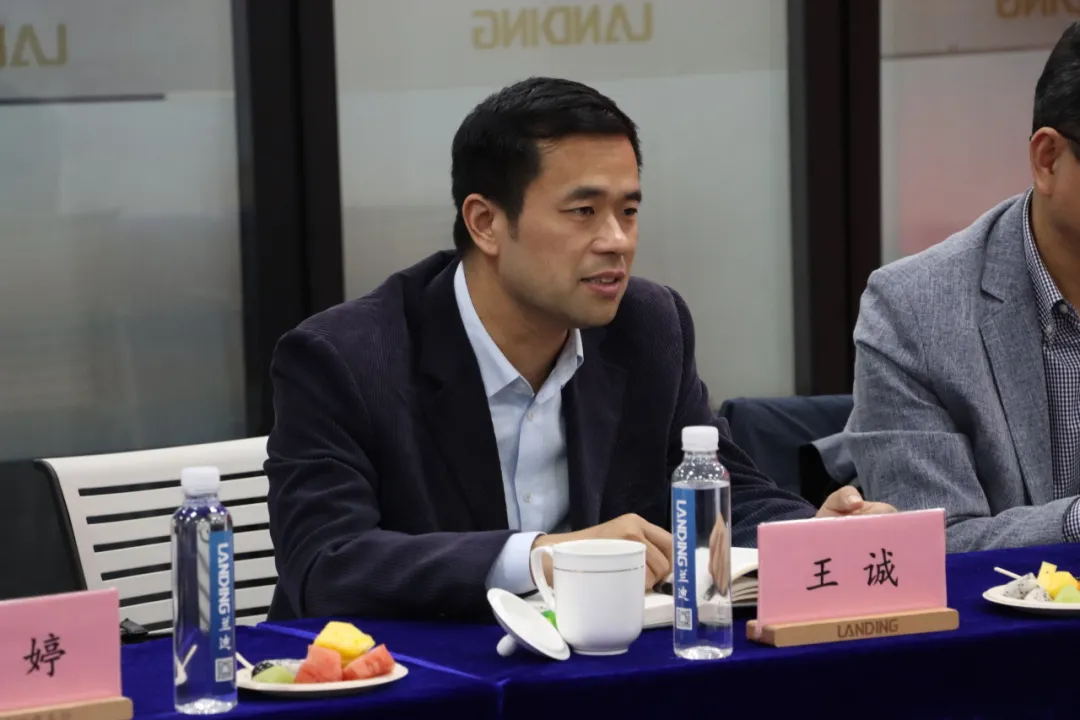
Vice Dean Wang Cheng noted, from the perspectives of discipline building and national strategic demands, that the integration of foreign-related legal practice with intellectual property protection is becoming a vital development direction. The school is currently advancing practice-oriented curriculum reforms, aiming to establish flagship courses such as "Enterprises Going Global" and "Cross-Border Intellectual Property Protection." It is also exploring project-based teaching models by bringing real-world business scenarios into the classroom, alongside strengthening structured internships and overseas practical training bases.
Attorney Li Yueqing shared Landing's practical exploration in foreign-related legal talent cultivation. She stated that Landing has long specialized in cross-border and outbound legal services, placing high value on developing multilingual proficiency, international legal acumen, and practical execution capabilities in talent development, underpinned by a regular training system for young lawyers. Moving forward, Landing hopes to collaborate with universities to conduct systematic, practice-based training, introducing authentic projects and senior mentor guidance to help students enter industry practice environments earlier.

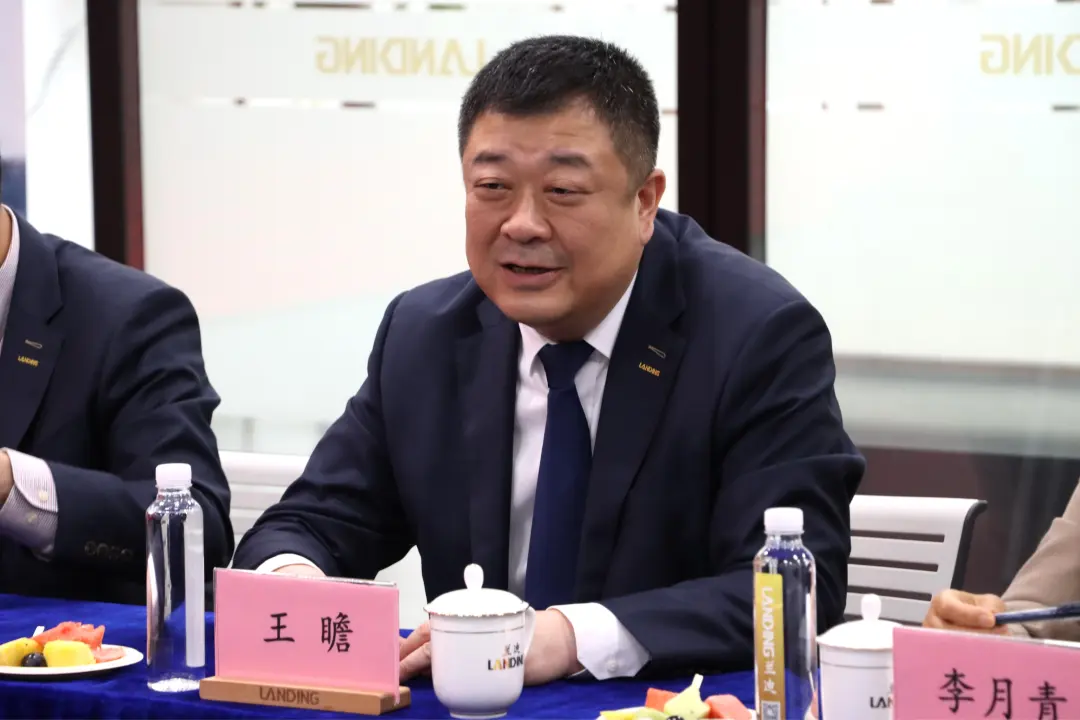
Attorney Wang Zhan pointed out that Landing emphasizes professional expertise in areas such as intellectual property protection in its overseas operations. He emphasized that cross-border legal services are transitioning from standalone legal counsel toward comprehensive "law + business" solutions, which demands professionals with stronger commercial acumen and cross-cultural execution capabilities.
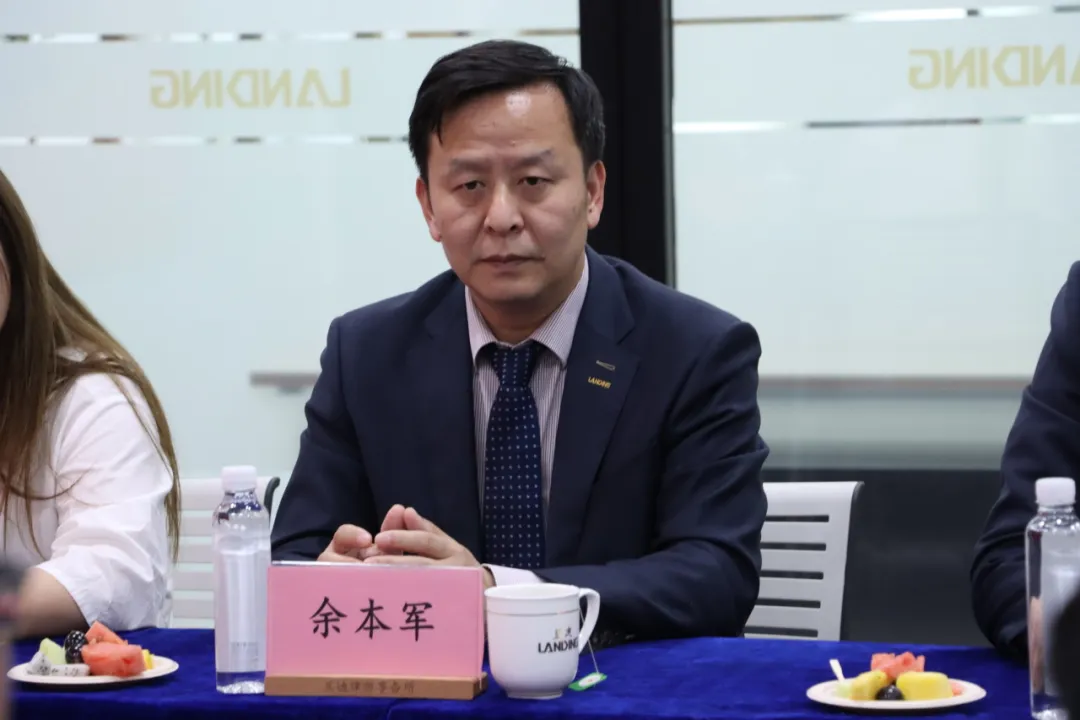
Attorney Yu Benjun remarked that as Chinese enterprises accelerate their overseas investments, the demands for cross-border legal services are shifting structurally. Talents who possess both legal rigor and commercial mindsets and who can manage cross-border dispute resolution remain scarce; thus, talent cultivation must align more closely with practical scenarios.
Drawing on practical overseas experience, Attorney Qin Peijia explained that in Landing's operations across regions like Indonesia, project-based models are employed to involve students and junior lawyers across the entire life cycle of investment execution, M&A, and dispute resolution, thereby honing comprehensive capabilities within authentic commercial environments.
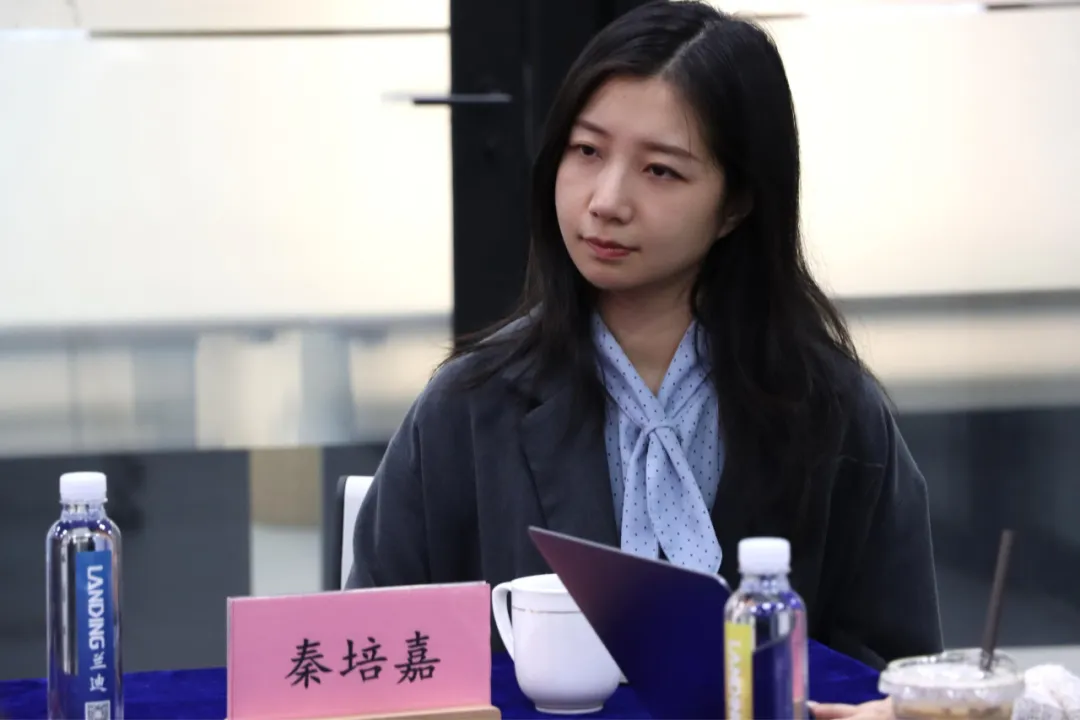
Attorney Chen Xinxin shared insights from Vietnam, pointing out that in the process of corporate globalization, lawyers have expanded their roles from conventional legal advisors to active participants in business decision-making, requiring deep engagement from initial due diligence to project delivery. She noted that Southeast Asia holds immense development potential, while issues such as IP protection are becoming increasingly prominent, driving strong demand for versatile cross-border talents.

Drawing from legal practice across Central Asia, Attorney Wang Jianyong analyzed market characteristics of legal services in different jurisdictions. He noted that demand in Central Asia is heavily concentrated in energy, infrastructure, and mining sectors, emphasizing that foreign-related legal professionals must combine deep industry knowledge with language proficiency (such as Russian) to navigate complex project requirements.
Adding from a regional research perspective, Ge Shupan highlighted that the legal system in Central Asia is undergoing continuous development and maturation. Strengthening the local cultivation and embedded practice of foreign-related legal professionals will bolster the firm's capacity to serve Chinese enterprises in Central Asia, while enhancing enterprises' own talent reserves on the ground. She stressed that training cross-border legal talent requires a balanced mastery of legal logic, linguistic fluency, and cross-cultural communication skills.
Department Head Zhang Ting and Secretary-General Feng Yujing also contributed to discussions on optimizing curriculum design, leveraging alumni networks, and expanding practical training platforms.

All participants agreed that cultivating foreign-related legal professionals must adhere to the principle of "integrating law and business with a practice orientation." This approach requires not only cementing foundational legal skills, but also simultaneously enhancing language capability, cross-cultural competence, and commercial mindset. Furthermore, talent cultivation pathways can be expanded to overseas localized training to better serve the globalization demands of Chinese enterprises.
Concluding the meeting, Dean Qiao Baojie stated that cultivating foreign-related legal talent requires robust practical backing. SUIBE Law School will use this symposium as a catalyst to continuously advance joint curriculum development, reciprocal mentor appointments, internship and practice base construction, and joint research initiatives, further refining the collaborative education mechanism to provide talent support for the nation's high-level opening-up strategy.

兰迪律师官方微信

兰迪全球官方微信


Contact:191-2185-9019
Phone: 021-6652 9952
Email: marketing@landinglawyer.com
Address: 16F, East Tower, Raffles City The Bund,
No.1089 East Daming Rd., Hongkou Dist., Shanghai, China
Copyright © 上海兰迪律师事务所.All rights reserved. 沪ICP备18016785号-5